
30 Gift Giving Statistics & Data to Know in 2026
Share
US holiday spending is set to break $1 trillion for the first time, according to the National Retail Federation, which forecasts retail sales of $1.01 trillion to $1.02 trillion across November and December. Jewelry keeps its grip on the calendar's two biggest gift moments, leading Valentine's Day spending for the tenth straight year at $7 billion and topping Mother's Day at $7.5 billion, both per the National Retail Federation. And the US personalized gifting market is on track to grow from $9.69 billion in 2024 to $14.56 billion by 2030, says Research and Markets.
This page pulls together the freshest numbers on how Americans give gifts in 2026, from holiday and Valentine's budgets to the rise of experiences, personalized pieces, and self-gifting. Every figure below is cited inline to its original source.
Key Gift Giving Statistics at a Glance
- US holiday retail sales are forecast at $1.01 trillion to $1.02 trillion for 2025, the first time the season tops $1 trillion (National Retail Federation).
- Shoppers plan to spend $890.49 per person on holiday gifts, food, and decorations in 2025 (National Retail Federation).
- Mother's Day spending is set to reach a record $38 billion in 2026, with jewelry leading at $7.5 billion (National Retail Federation).
- Valentine's Day spending is forecast at a record $29.1 billion in 2026, with $7 billion going to jewelry (National Retail Federation).
- Jewelry has been the top Valentine's Day category by dollars for ten years running, with 25% of shoppers planning to buy it (National Retail Federation).
- The average Mother's Day shopper plans to spend $284.25 in 2026 (National Retail Federation).
- The US personalized gifting market is projected to grow from $9.69 billion in 2024 to $14.56 billion by 2030, a 7.02% annual rate (Research and Markets).
- 47% of shoppers plan to give experiential gifts in 2025, up from 39% a year earlier (Deloitte).
- Gift cards rank as the second-most popular gift, with total spending expected to reach $29 billion in 2025 (National Retail Federation).
- 43% of shoppers plan to buy at least one gift card, loading an average of $49.43 on each (National Retail Federation).
- The average shopper plans to buy eight gifts in 2025, down from nine the year before (Deloitte).
- About 20.4% of holiday purchases get returned, well above the yearly average (National Retail Federation).
- A record 35% of Valentine's shoppers plan to buy a gift for their pet in 2026, totaling $2.1 billion (National Retail Federation).
How Much Americans Spend on Gifts
The headline number for 2026 is the holiday season finally crossing $1 trillion. The National Retail Federation forecasts November and December sales of $1.01 trillion to $1.02 trillion, up 3.7% to 4.2% over 2024. That builds on a 2024 season that hit $976.1 billion. On a per-person basis, shoppers plan to spend $890.49 on gifts, food, and decorations, the second-highest figure in the survey's 23-year history.
Spending is not climbing everywhere, though. Deloitte's 2025 Holiday Retail Survey found the average shopper planning to spend $1,595, down 10% year over year, and buying eight gifts instead of nine. The gap between the two numbers reflects what each measures, total retail demand versus per-household budgets under pressure. With 77% of consumers expecting higher prices and 57% bracing for a weaker economy in 2026, gift budgets are being watched closely.
Value-seeking is the defining behavior of the 2026 season. Deloitte found 89% of shoppers searching for deals, 77% trading down on brands, and 49% planning to make DIY gifts. That is the least optimistic economic outlook the firm has recorded since it began tracking sentiment in 1997.
For a brand built on gifting, the takeaway is steady demand for pieces that feel considered rather than expensive. A dainty necklace reads as thoughtful at a price point that survives a tighter budget.
Jewelry Leads the Gifting Calendar
Jewelry sits at the center of the two biggest personal gift days of the year. For Mother's Day 2026, the National Retail Federation projects record spending of $38 billion, with the average celebrant budgeting $284.25 and jewelry leading all categories at $7.5 billion. A mom jewelry piece, especially something personalized, lands squarely in the category drawing the most dollars.
Valentine's Day tells the same story. The National Retail Federation forecasts a record $29.1 billion in 2026, up 5.8% from a year earlier, with shoppers budgeting an average of $199.78. That is a jump from the $27.5 billion and $188.81 average recorded in 2025. Jewelry accounts for $7 billion of the 2026 total and has been the top category by dollars for ten years in a row, with 25% of shoppers planning to buy it. Candy is bought by more people (56%), but jewelry pulls far more spending per gift. With 65% of US households planning to celebrate and 83% buying for a partner, the day stays one of the most reliable windows for a jewelry gift.
The pattern holds across the year. Jewelry is the single category that consistently leads both spring and winter gift spending, which makes a well-stocked necklace collection a reliable answer to most gift questions.
Personalized Gifts Are the Fastest-Growing Corner
Generic gifts are losing ground to pieces that carry a name, an initial, or a date. The US personalized gifting market is projected to grow from $9.69 billion in 2024 to $14.56 billion by 2030, a compound annual rate of 7.02%, according to Research and Markets. The same report ties the growth to Millennials and Gen Z, who lean hardest into personalized, event-based gifting.
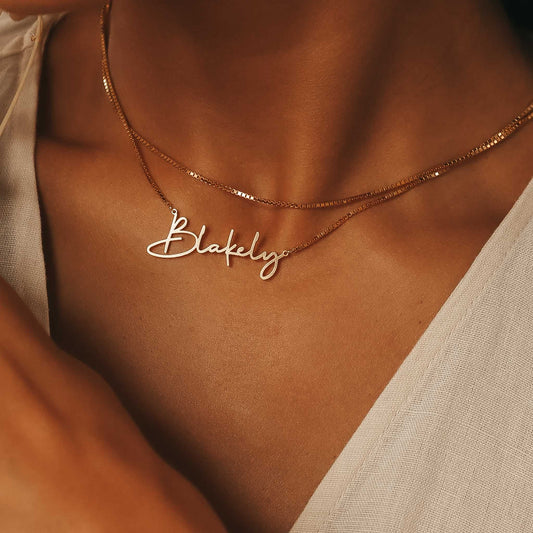
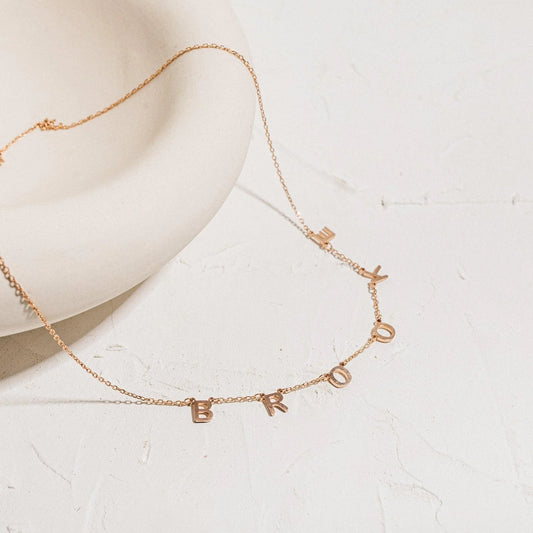
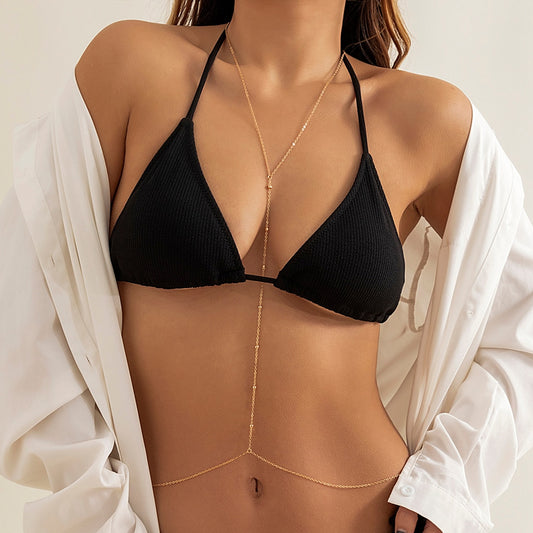
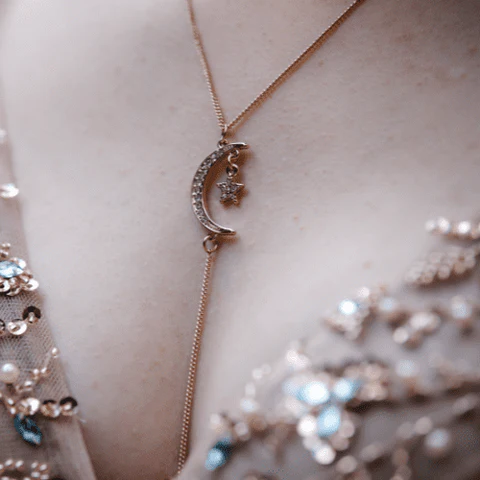
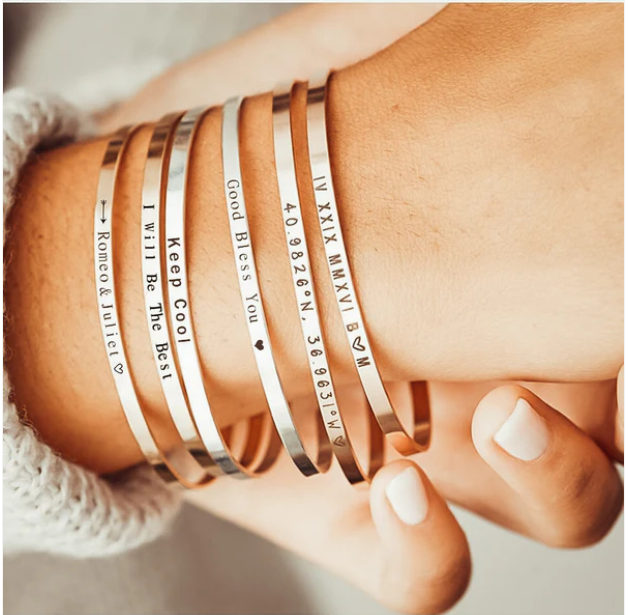
That trend favors jewelry more than almost any other category, since a piece can be engraved or built around a name or birthstone without changing what it is. A name necklace or a set of personalized necklaces turns a standard gift into something tied to one person, which is exactly what the data says younger buyers want.
Experiences Versus Physical Gifts
The experience-gift trend keeps growing. Deloitte found 47% of shoppers planning to give experiential gifts like restaurant meals, events, and spa days in 2025, up from 39% the year before. The longer arc is steeper still. A GetYourGuide survey found that, as of 2023, 92% of Americans would rather receive experiences over physical gifts, up from 62% in 2021.
That sounds like bad news for product gifts, but the smarter read is that buyers want gifts tied to a memory. Jewelry bridges both, since a piece given for a specific moment becomes the keepsake from it. A pair of matching necklaces marking a friendship works the way an experience does, as a marker of a relationship rather than just an object.
Gift Cards, Returns, and the Practical Side
Gift cards keep climbing. The National Retail Federation reports gift cards as the second-most popular gift in 2025, with total spending expected to hit $29 billion. About 43% of shoppers plan to buy at least one, loading an average of $49.43 per card, and restaurants are the most popular type at 27%.
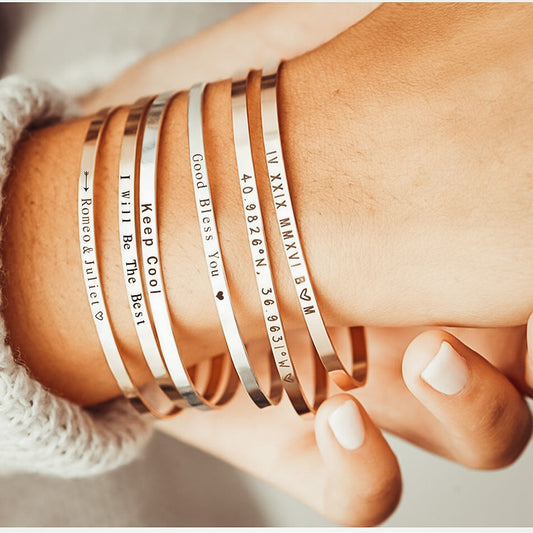
Returns are the quiet counterweight to all this spending. The National Retail Federation and Happy Returns found total US retail returns reached $890 billion in 2024, with 20.4% of holiday purchases sent back, above the 16.9% annual average. Gifts that fit anyone, like an adjustable bracelet or a classic necklace, are far less likely to come back than sized or trend-driven items.
What's New in Jewelry Gifting for 2026
Two fresh patterns stand out this year. The first is who gets a gift. The National Retail Federation found a record 35% of Valentine's shoppers buying for their pets in 2026, a $2.1 billion line on its own, and middle- and higher-income shoppers widening their lists to include friends and coworkers.
The second is the rise of celebrating outside the traditional couple. Nearly a third of younger consumers plan to mark Galentine's Day, an outing with female friends, and searches for the term were up 12% year over year in early February 2026, per the National Retail Federation. Friendship gifting and self-gifting are no longer fringe behaviors, which opens room for pieces bought for a friend, or for yourself, rather than only for a partner.
Put together, the 2026 data points one way for gift givers. Budgets are tighter, but the appetite for meaningful, personal pieces is stronger, and jewelry remains the category buyers reach for when a gift needs to mean something.
Find the Right Gift at Ora Gift
The numbers make the case that personalized, gift-ready jewelry sits right where spending is heading in 2026. Browse Ora Gift's Mother's Day collection for pieces built for the year's biggest jewelry gift day, or start with a name necklace for a gift tied to one person.