
18 Jewelry Shopping Statistics & Data to Know in 2026
Share
Jewelry shopping in 2026 looks very different from the gift-counter ritual of a decade ago. Most American adults now buy fine jewelry for themselves, with BriteCo finding that 80% purchase it for their own enjoyment rather than waiting for someone else to. Gifting is still huge, just no longer the whole story; shoppers spent a projected $7 billion on jewelry for Valentine's Day alone, the top gift category by dollars for the 10th year running, according to the National Retail Federation. And the category is pulling ahead of the rest of fashion, with McKinsey projecting jewelry as the fastest-growing fashion category by unit sales.
This page pulls together the freshest data on who buys jewelry, why they buy it, how self-purchase compares with gifting, where people shop, and how demand for personalized and branded pieces is shifting. Every figure below is cited inline to its original source.
Key Jewelry Shopping Statistics at a Glance
- 80% of US adults buy fine jewelry for themselves instead of waiting for a gift (BriteCo, 2025).
- 86% of millennials self-purchase fine jewelry, the highest of any generation (BriteCo, 2025).
- Shoppers spent a projected $7 billion on jewelry for Valentine's Day 2026, the top category by dollars for the 10th straight year (NRF, 2026).
- Jewelry led Mother's Day 2026 spending at $7.5 billion, up from $7 billion the year before (NRF, 2026).
- 45% of consumers planned to buy jewelry for a loved one this Mother's Day (NRF, 2026).
- Online is set to reach 18% to 21% of the fine jewelry market, up from about 13% (McKinsey).
- Jewelry self-gift sales have grown 58% since 2021 (McKinsey, 2026).
- Branded jewelry makes up about 25% of the market and grew 8.3% a year from 2021 to 2024 (McKinsey, 2026).
- Rings are the top self-purchase at 31%, followed by necklaces at 22% (BriteCo, 2025).
- Lab-grown diamonds account for nearly 20% of global diamond jewelry sales and could reach 50% by 2030 (McKinsey, 2026).
- Men's jewelry is growing 7% to 8% a year, faster than the 4% to 5% pace for women's (McKinsey, 2026).
- The average US engagement ring ran about $5,200, with 64% of couples spending under $6,000 (The Knot).
Self-Purchase Is the New Normal
The biggest shift in jewelry shopping is who the buyer is buying for. BriteCo found in 2025 that 80% of American adults buy fine jewelry for themselves rather than waiting to receive it. That figure reframes the whole category, since jewelry is no longer something you mostly hope to be given.
Millennials drive the trend hardest. In the same survey, 86% of millennials aged 30 to 44 said they self-purchase fine jewelry, with Gen X close behind at 81%. The motivations are personal rather than ceremonial. About 22% buy to express personal style and another 22% buy to mark a milestone, while 14% treat a piece as a financial investment.
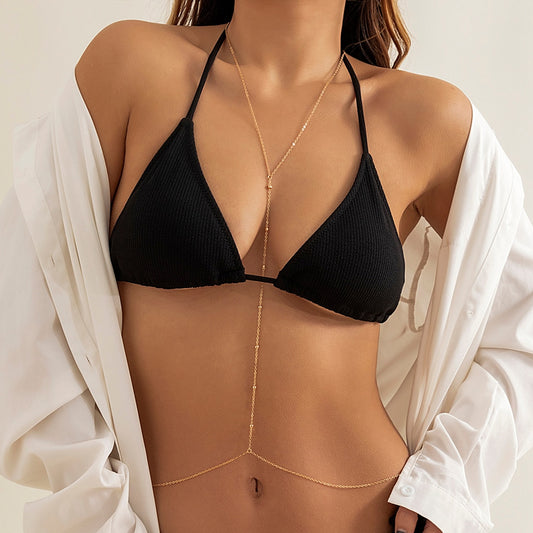
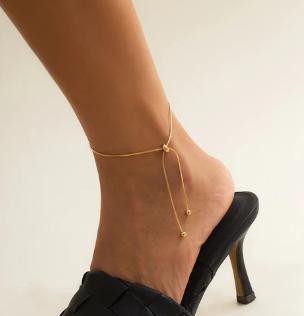
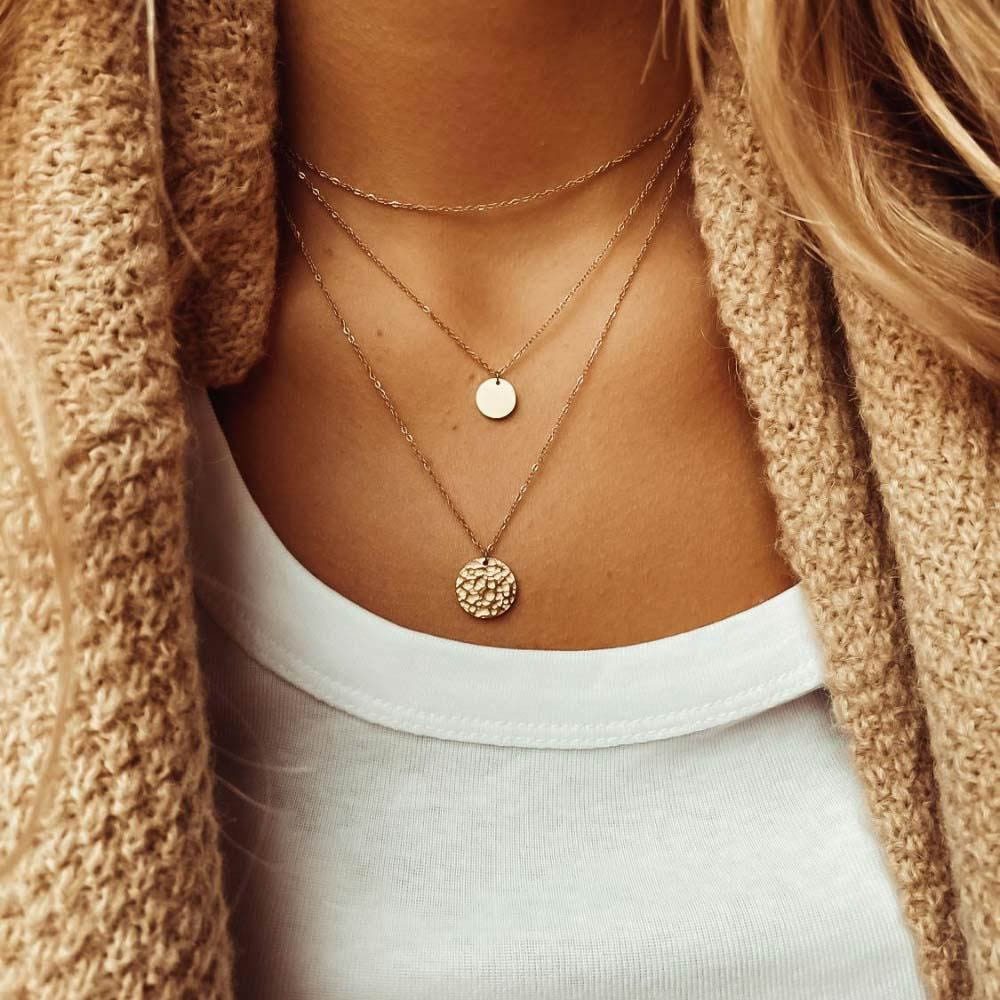
What people buy for themselves tells its own story. Rings lead at 31%, necklaces follow at 22%, and watches sit at 17%, per BriteCo. Gen Z breaks the pattern as the only group that reaches for necklaces first, at 35%, ahead of rings at 17%. That preference points younger shoppers straight toward dainty necklaces and layering pieces, which suit everyday wear and self-expression more than a once-in-a-lifetime ring purchase.
Gifting Still Drives Billions
Self-purchase has grown, but gifting has not shrunk. It remains one of the largest, most predictable demand cycles in retail. For Valentine's Day 2026, shoppers were projected to spend $7 billion on jewelry, the single largest category and the top jewelry gifting holiday by dollars for the 10th year in a row, according to the National Retail Federation. Total Valentine's spending hit a record $29.1 billion, with consumers planning to spend an average of $199.78 each and 25% buying jewelry.
Mother's Day is just as strong. The NRF reported that jewelry led Mother's Day 2026 spending at $7.5 billion, up from $7 billion the prior year, out of a record $38 billion total. Almost half of consumers, 45%, planned to buy jewelry for a loved one, and the average shopper expected to spend a record $284.25. Both surveys were run with Prosper Insights & Analytics, drawing on more than 7,700 adults each.
Those numbers explain why occasion-led pieces stay in demand year after year. A Mother's Day gift or a personalized necklace sits right in the path of that recurring, calendar-driven spending.
How Each Generation Shops
Age shapes jewelry shopping more than almost any other factor, and the gaps are widening. Millennials sit at the center of the market. They self-purchase at the highest rate of any group, 86%, and they spend the most per piece, with about one in five comfortable paying between $2,500 and $5,000 for a single item and 8% willing to go past $5,000, according to BriteCo. For this group, fine jewelry reads as both a treat and a store of value.
Gen Z shops differently. They are the only generation that picks necklaces first, at 35%, well ahead of rings, and they are more price-conscious, with over a third unwilling to spend more than $500 on a single fine piece, per BriteCo. That points to a buyer who collects smaller, stackable, everyday pieces rather than saving for one statement item. Gen X holds steady in the middle, self-purchasing at 81% and behaving more like millennials in what they buy.
For a brand, that split means range matters as much as any single hero product. Younger shoppers want accessible, mix-and-match dainty jewelry they can wear in layers, while older buyers will pay more for a piece with meaning. Stocking both ends of that spectrum captures the full age curve rather than a slice of it.
Where People Shop Is Changing
Jewelry was one of the last categories to move online, partly because shoppers wanted to see and try pieces in person. That is shifting fast. McKinsey projected online sales to climb from roughly 13% of the fine jewelry market to between 18% and 21%, as brands close the gap on the in-person experience with better photography, 3D views, and easy returns.
The growth is not purely digital, though. Most shoppers now research online and buy across both channels, treating a brand's website and its store as one connected experience. Someone might find a piece on a phone at lunch, read reviews that evening, and complete the purchase a week later, often on a different device. The path to a sale is rarely a straight line anymore.
For direct-to-consumer brands, that means product pages have to carry the weight a sales counter once did, with clear materials, sizing, and care details.
Trust signals matter even more for fine jewelry than for cheaper categories, since the buyer cannot weigh the piece in her hand before paying. Those trust signals are also what separate strong affordable jewelry brands from low-priced pieces with vague materials, sizing, or after-sale support. A well-built collection of gold necklaces or rings gives online shoppers enough confidence to buy without handling the piece first.
Branded, Personalized, and Self-Expressive
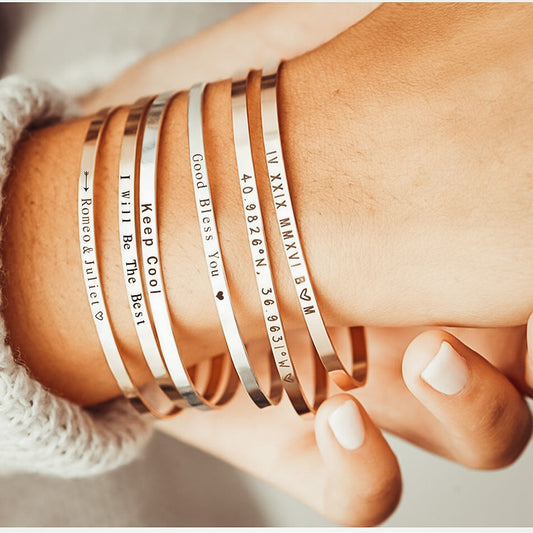
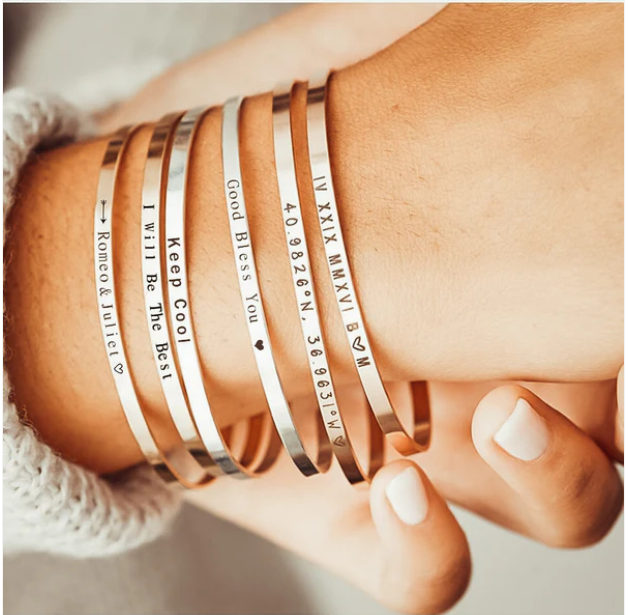
Demand is tilting toward jewelry that feels personal and carries a name behind it. Branded jewelry now makes up about 25% of the market and grew 8.3% a year from 2021 to 2024, roughly three times the pace of the total market, according to McKinsey. Buyers increasingly want pieces tied to identity and story rather than anonymous metal and stones.
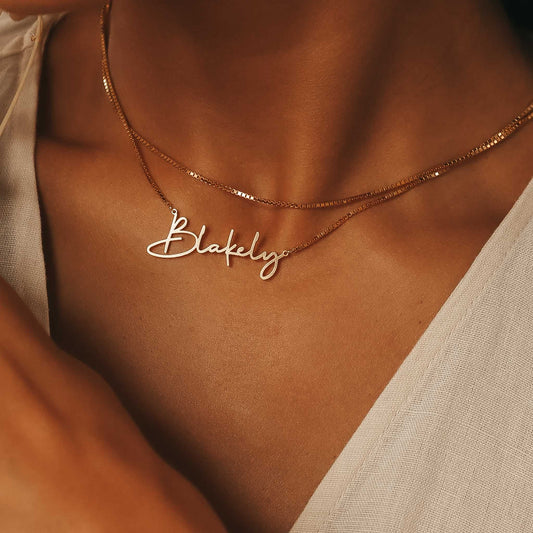
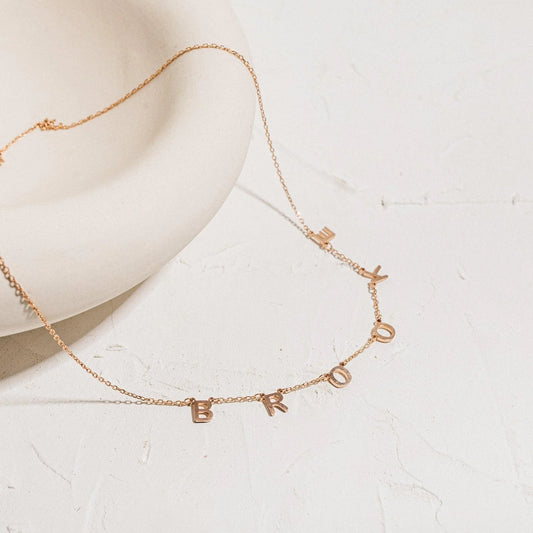
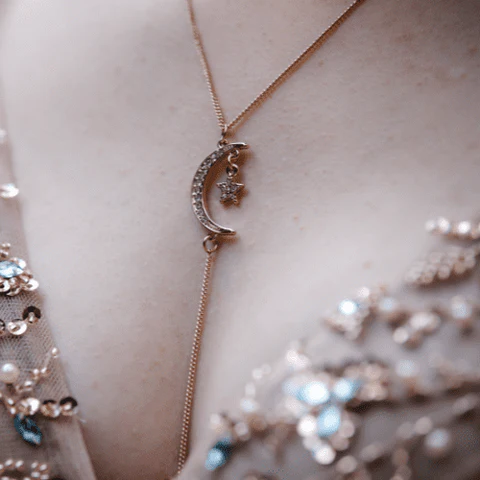
Self-gifting reinforces that pull. McKinsey reported jewelry self-gift sales up 58% since 2021, and shoppers ranked jewelry's investment potential 15 percentage points higher than handbags and other accessories. When people buy for themselves, they tend to choose pieces that say something about who they are, which is exactly the appeal of a name necklace or an initial piece.
Men are part of this growth too. McKinsey found men's jewelry expanding 7% to 8% a year, well ahead of the 4% to 5% pace for women's pieces, a sign the buyer base is widening rather than just spending more per head.
What's New in Jewelry Shopping for 2026
The freshest signal for 2026 is momentum. McKinsey projects jewelry to be the fastest-growing fashion category by unit sales, expanding more than four times faster than clothing. That growth is broad, spanning fine and fashion jewelry, men's and women's, gifted and self-bought.
Lab-grown diamonds are reshaping the value end of the market. They already account for nearly 20% of global diamond jewelry sales and could reach 50% by 2030, growing about 15.6% a year, per McKinsey. Lower stone prices help explain shifting engagement budgets; The Knot put the average US engagement ring at about $5,200, with 64% of couples spending under $6,000 and a third under $3,000.
Put together, the 2026 picture is a shopper who buys for herself as readily as she buys gifts, moves freely between online and in-store, and reaches for pieces that feel personal and wearable every day. That is a meaningful change from the occasion-only buyer the industry built itself around.
Shop Jewelry Built for the Way People Buy Now
These trends point to one thing, and that is jewelry people choose for themselves, wear daily, and feel connected to. Ora Gift's range of dainty, personalized jewelry is made for that shopper, whether she is treating herself or finding the right gift.