
Best Jewelry Color for Your Skin Tone: Gold, Silver or Rose Gold

Hold a gold necklace beside your face, then swap it for silver. Sometimes the answer is obvious. Sometimes both work, or neither one feels quite right.
The best jewelry color for your skin tone is the finish that leaves your complexion looking clear, awake, and balanced.
Undertone offers a useful place to begin. Warm undertones often glow beside yellow or rose gold. Cool undertones may look sharper in silver.
Neutral undertones often suit all three finishes. A quick check by a window gives you more useful guidance than a rigid color chart.
Quick Answer: The Best Jewelry Color for Each Undertone
When choosing silver or gold jewelry for your skin tone, begin with yellow or rose gold for warm undertones. Cool undertones often look crisp beside silver.
Neutral skin can usually suit all three finishes. Olive skin may lean warm, cool, or somewhere in between. Put the metals side by side before you decide.
|
Undertone |
Signs to Check |
Metal Starting Point |
Flexible Styling Note |
|
Warm |
Golden, peach, or yellow cast |
Yellow gold or rose gold |
Try silver for a clean, intentional contrast |
|
Cool |
Pink, red, or blue cast |
Silver or white-looking finishes |
Rose gold can echo pink tones beautifully |
|
Neutral |
Warm and cool clues both appear |
Gold, silver, or rose gold |
Let your outfit and favorite pieces decide |
|
Olive |
Green, gray, or muted cast |
Test gold and silver side by side |
Mixed or brushed finishes may feel balanced |
Use the chart as a starting point, not a permission slip. Rose gold often sits comfortably between warm and cool palettes.
A little contrast can look beautiful. Choose the finish that makes you notice your face before the jewelry.
Buying a gift? Check the metal she reaches for now, especially her favorite minimalist earrings and necklaces. That habit tells you more than a guessed undertone. Matching it makes a personalized piece easy to wear from day one.
Skin Tone vs. Undertone: Which One Should Guide Your Jewelry?
Skin tone is the depth you see at the surface, such as fair, medium, or deep. Undertone is the quieter cast underneath. For rose gold, skin tone depth matters less than whether that undertone reads warm, cool, neutral, or olive.
Fair skin doesn’t automatically call for silver, and deep skin doesn’t automatically call for gold. Any skin depth can have any undertone. Redness, a tan, makeup, and even the room you’re standing in can shift what you see, which is why shortcuts based on complexion or ethnicity fall apart so quickly.
Let your undertone narrow the first round, then trust how the jewelry looks against your skin. If the recommended metal leaves you looking tired or feels wrong, skip it. You’re the one wearing it.
Whenever you can, test necklaces and earrings near your face. A wrist check is handy, but it misses the way your hair, clothes, and facial coloring change the whole picture.
Which Jewelry Piece Is Best for Testing a New Metal Color?
To tell whether gold or silver looks better on your skin tone, start with a necklace or pair of earrings close to your face.
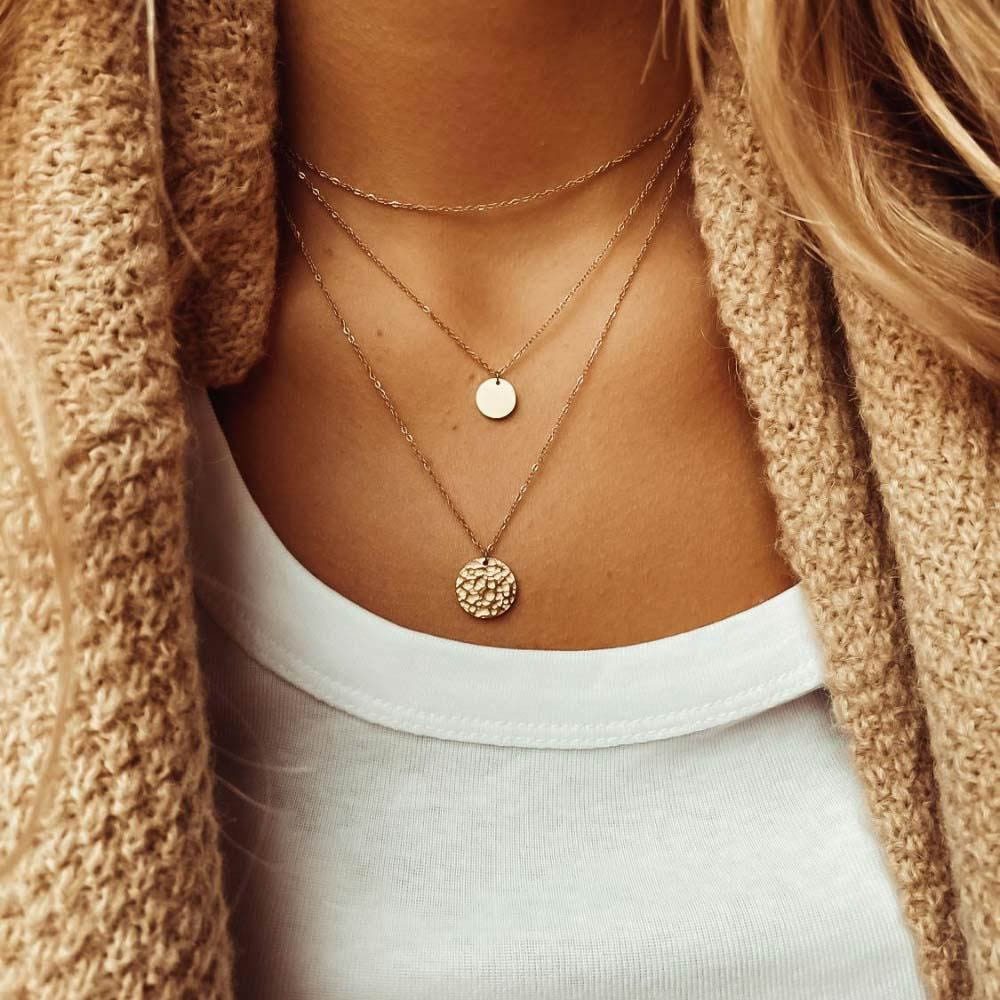
Keep the scale similar so a large pendant does not overpower a fine chain. Ora Gift’s dainty necklace collection includes gold, silver, and rose gold styles, which makes it useful for comparing color without changing the shape of the piece.
Start with the finish you are least sure about, then compare it with a piece you already wear often.
How to Find Your Undertone at Home
One test won’t give you a fixed label. Gather a few clues instead, then look for a pattern across daylight, your wardrobe, and the metals you already love. Repeated good results matter more than a quick glance at your wrist.
Compare Gold and Silver in Natural Light
For a fair silver-or-gold skin tone test, compare jewelry of a similar size near your face or across the same wrist. Stand beside a window in indirect daylight, wear a neutral top, and move away from strongly colored walls. Keep the background, angle, and distance the same for both metals.
Photograph each option without touching the exposure or adding a filter. Then look past simple brightness. Does one metal make your skin appear more even or your eyes stand out? That is the useful difference.
Repeat the comparison on another day if the answer is close. Standardization guidelines for skin-color measurement note that light conditions can influence color readings, which is a good reason to compare both finishes under the same setup. If they still look equally harmonious, that is useful evidence that your palette is flexible.
Use Veins, White Fabric, and Your Wardrobe as Cross-Checks
The familiar vein test can add context. Blue or purple-looking veins may point toward a cool undertone, greener-looking veins may suggest warmth, and a mixture can suggest neutral. But vein color is affected by skin depth, lighting, and what sits around it, so do not let this clue overrule what you see near your face.
Next, hold bright white and soft cream fabric under your chin. Crisp white may feel fresher on a cool undertone, while cream may feel gentler on a warm one. With an olive skin tone, compare silver or gold jewelry after the fabric test because a muted cast can blur a simple warm-or-cool result.
Your closet offers another clue. Notice whether clear jewel tones or earthy shades consistently earn more compliments and make getting dressed easier.
If the Results Are Mixed, You May Be Neutral or Olive
Mixed results are useful. Neutral undertones often balance warm and cool cues.
Olive skin can have a green, gray, or muted cast that leans in either direction. A one-rule gold-versus-silver answer rarely fits either group.
Try a finish with less shine, perhaps brushed gold, softly oxidized silver, or rose gold. Step back and judge the entire look, including your hair, clothes, makeup, and the scale of the piece. Sometimes the color works well, and the high polish or oversized shape is what throws things off.
Gold Jewelry for Warm Skin Tones
Yellow gold is the easiest first try for warm undertones. Its golden tone can pick up peach, yellow, or golden notes in the skin and create a soft, sunlit effect. It feels at home beside cream, camel, rust, and olive.
Rose gold is gentler. Its pink warmth feels romantic without the stronger yellow contrast of classic gold. When you compare the two, decide whether you want quiet warmth or a brighter, more familiar glow.
For an everyday test, place one of Ora Gift’s dainty gold necklaces close to your face and compare it with a silver piece of a similar size. The current collection includes 14K gold-plated styles, but exact construction varies across jewelry, so check the product page before choosing.
Silver still belongs in the conversation. Its cooler contrast can look striking with a black dress, a white shirt, or a clean minimalist outfit. Harmony is one option. Contrast is another.
Silver and Rose Gold Jewelry for Cool Skin Tones
Silver is the natural first try for cool undertones. That crisp tone can pick up pink, red, or blue notes without introducing yellow, leaving a clean frame around the face.
Cool skin isn’t the same as pale skin. You can have a cool undertone at any depth, and the same side-by-side metal test still works.
Scale changes the result too. A whisper-thin chain looks delicate and bright. A wide polished piece creates much stronger contrast.
Rose gold is still an option, especially if its pink tone connects with your coloring or wardrobe. You can start with Ora Gift’s 925 sterling silver necklaces for a cooler reference, then compare a rose gold piece in the same light before deciding.
Yellow gold can look wonderful on cool skin. Try a smaller pendant, a matte finish, or a chain that leaves more bare skin around the neckline. Those details keep the warmth feeling deliberate instead of heavy.
Gold, Silver, and Rose Gold Jewelry for Neutral and Olive Skin Tones
Neutral undertones can usually move easily among gold, silver, and rose gold. If every finish looks balanced, use your outfit or the jewelry already in your box to settle it.
Gold feels cozy beside a warm knit. Silver sharpens a black-and-white look.
Olive undertones deserve a test-based answer. Some olive complexions glow in yellow gold, others come alive in silver, and many suit softened or mixed finishes. Highly polished metal can compete with a muted cast, so compare polished pieces with brushed, antiqued, or smaller alternatives.
Mixed-metal layering solves an everyday problem. Your wedding ring, watch, or sentimental necklace is already one color.
Keep it. Bring in a second metal, then repeat both tones so the pairing feels deliberate.
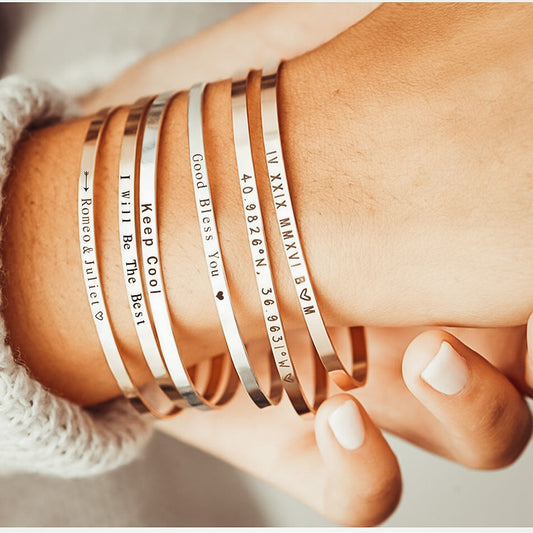
If gold and silver both look good, run one final test with the clothes you wear most. Try a necklace in one metal and silver bracelets in the other, then choose the finish that works with more outfits.
Should a Jewelry Gift Match Skin Tone or Existing Jewelry?
For a gift, the metal she already wears is a safer guide than a guessed undertone.
Look at her daily earrings, watch, rings, and necklace hardware. If one finish repeats, stay with it.
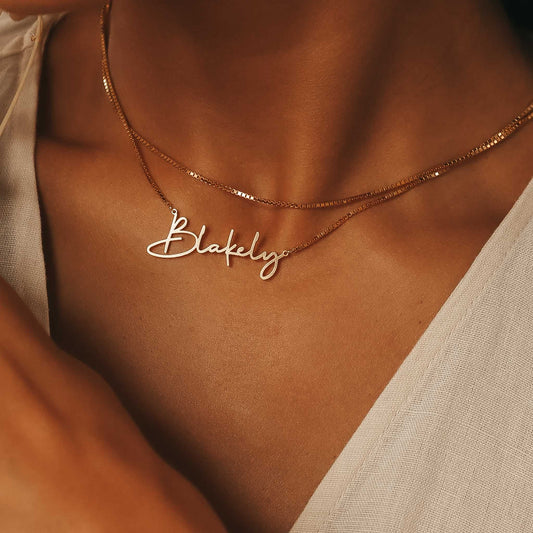
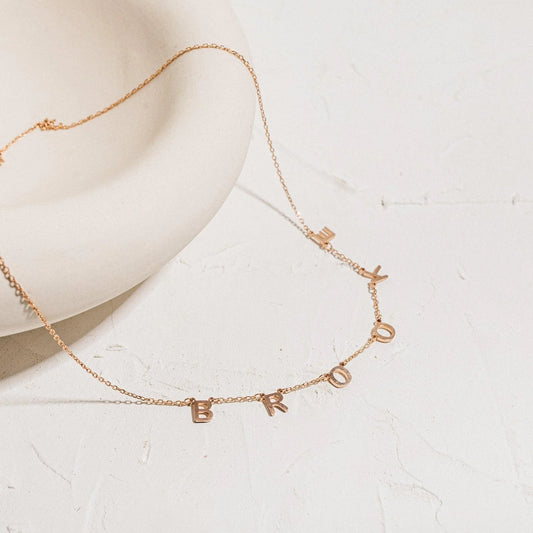
Once the color feels familiar, personalization can carry the meaning. Ora Gift’s made-to-order name and initial necklaces let you stay with her usual finish, then add a detail that makes the piece hers. Check the product page for exact color options and production timing before you order.
Gold, Silver, or Rose Gold: Choose the Finish You’ll Wear Often
What skin tone does rose gold look good on? It can flatter warm, cool, neutral, and olive undertones when its pink cast feels balanced beside your skin. A rose gold necklace adds that softer note near the face, while yellow gold feels warm and classic and silver looks clean and cool.
Your daily routine and the jewelry you already own may matter more than a textbook undertone match.
Metal color and metal composition are different choices. A gold-colored piece may be plated, gold-filled, vermeil, or solid gold. A silver-colored piece is not automatically sterling silver, and a rose finish may sit over another base metal.
The Gemological Institute of America explains that solid rose gold gets its color from alloying gold with metals including copper and silver, but plated fashion pieces use that color at the surface.
Read the exact product description before you compare price, care, or skin compatibility. Ora Gift’s current rose gold ring collection, for example, describes a 14K rose gold-plated style. The visible color may create a similar styling effect, but the construction differs from solid rose gold.
Mix Metals on Purpose
Mixing gold and silver jewelry looks deliberate when each color shows up more than once. Wear a silver watch with silver earrings, then add a gold necklace and ring. A two-tone piece can sit in the middle and tie the whole look together.
Keep one other detail consistent, whether that is delicate scale, rounded shapes, or a shared motif. Dainty layers make this easy because no single finish takes over.
A personalized necklace can become the meaningful focal point, with the other metals quietly supporting it.
Put Skin Comfort and Materials Ahead of Color
If jewelry irritates your skin, focus on composition before color. Nickel can appear in jewelry and trigger allergic contact dermatitis in sensitive people. The American Academy of Dermatology recommends choosing nickel-free or hypoallergenic jewelry and seeking a board-certified dermatologist when a rash persists, blisters, becomes infected, or keeps returning.
Check the product page before buying because gold-, silver-, and rose-colored items can use different base metals. Ora Gift describes selected pieces as nickel-free and hypoallergenic, but those terms are not a medical guarantee.
Find a Jewelry Color That Feels Like You
The best jewelry color for your skin tone starts with undertone, but personal style gets the final say. Compare the options in daylight, then choose the finish that wakes up your face, works with the clothes you own, and feels at home in your everyday life.
Compare the finishes you love, then choose a made-just-for-you piece you will reach for every day. Ora Gift’s personalized necklaces come in gold, silver, and rose gold finishes, so you can match the color to your skin and the meaning to your story. A name, initial, or date keeps the piece personal long after you settle on the finish.
Start with the finish that passed your daylight test, then compare Ora Gift’s personalized necklaces in that color. Check the listed material, finish, and production time before choosing the name or initial that makes it yours.
References
Fullerton, A., et al. “Guidelines for Measurement of Skin Colour and Erythema.” Contact Dermatitis, vol. 35, no. 1, 1996, pp. 1-10.
Gemological Institute of America. “Buying Guide for White, Yellow and Rose Gold Engagement Rings.” GIA 4Cs, 11 May 2018.
American Academy of Dermatology Association. “Nickel Allergy: How to Avoid Exposure and Reduce Symptoms.”